
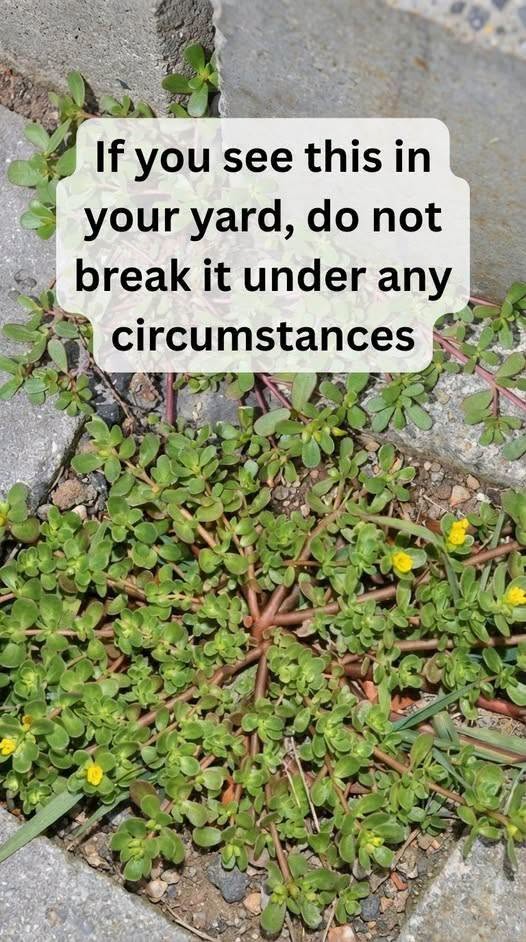
Oh, my dear friend, I know the feeling all too well! You step out into the garden on a beautiful morning, ready to do a little gentle weeding, and you spot that familiar, low-growing plant with its fleshy, spoon-shaped leaves and reddish stems. Your first instinct might be to pull it right up.
But at 73, living alone and cherishing my peaceful, cozy sanctuary, I’ve learned to look a little closer. Between keeping a proactive eye on my circulation, monitoring those sudden, unexplained purple blotches on my arms, and doing everything I can to live vibrantly, I was absolutely thrilled to discover that this so-called “weed” is actually a nutritional superstar!
So, I put the kettle on, brewed a soothing cup of my favorite ginger tea, and looked into the actual science behind Purslane (Portulaca oleracea).
Grab your favorite gardening hat, because we’re about to uncover why this humble, no-fuss plant might just be the best thing growing in your yard!
The “Garden Science” Reality: 8 Reasons to Love Purslane
1. It’s a Plant-Based Omega-3 Powerhouse
This is the big one! Purslane contains more alpha-linolenic acid (an essential Omega-3 fatty acid) than almost any other leafy green vegetable. Omega-3s are famous for reducing systemic inflammation and supporting heart health. For those of us keeping a close eye on our vascular health, these healthy fats help keep our blood vessels flexible and our circulation steady, which is wonderful for managing those unexplained purple blotches on our arms!
2. Packed with Potassium and Magnesium
Purslane is surprisingly rich in potassium (even more than spinach!) and magnesium. As we know, potassium acts as a natural vasodilator, helping to relax blood vessel walls and maintain healthy blood pressure. It’s like a gentle, natural hug for your cardiovascular system.
3. Loaded with Antioxidants
It contains high levels of Vitamins A, C, and E, as well as beta-carotene and unique compounds called betalains. These antioxidants actively fight oxidative stress and protect our cells from damage, supporting our body’s natural defense systems as we gracefully age.
4. It Promotes Restful Sleep
Believe it or not, purslane contains naturally occurring melatonin! While the amounts are small, regularly including it in your evening meals can gently support your circadian rhythm. And as we know, quality, restorative sleep is non-negotiable for keeping cortisol levels low and our bodies healing properly.
5. The Ultimate “No-Fuss” Plant
I love a hands-off garden, and purslane is the champion of low-maintenance. It is a succulent, meaning it stores water in its thick leaves. It thrives in hot, dry, sunny spots where other plants would wither, requiring absolutely zero extra watering or fussing.
6. Natural Ground Cover and Soil Protector
Instead of fighting it, let it work for you! Purslane spreads horizontally, creating a dense mat that shades the soil. This retains precious moisture, prevents soil erosion, and naturally suppresses the growth of actual, more aggressive weeds.
7. Culinary Versatility (With a Zesty Kick!)
Purslane has a delightful, slightly peppery, and lemony flavor with a satisfying, crisp crunch (similar to watercress or green beans). It can be eaten completely raw in salads, lightly sautéed like spinach, blended into soups, or even pickled!
8. It’s Free and Abundant
In a world where grocery prices are climbing, having a nutrient-dense, vitamin-rich superfood growing freely in your own backyard is a beautiful, sustainable blessing.
(⚠️ Quick ID Tip: Make sure it’s purslane! It has smooth, fleshy, paddle-shaped leaves and smooth, often reddish stems. Avoid plants with milky sap or hairy leaves, like spurge, which is toxic.)
The “Avocado Lover’s” Heart-Healthy Purslane Salad
For Complete Cooking STEPS Please Head On Over To Next Page Or Open button (>)
ADVERTISEMENT
ADVERTISEMENT

Slap Ya Mama Pound Cake Recipe – Ultra Moist Southern Butter Cake

Sweet Potato Pie

How We Eat Corn All Winter Long — Just Like It’s Fresh
If You Have This Plant in Your House, Then You Have a Natural Air Purifier (and So Much More)

Classic Egg Salad: A Simple, Creamy Favorite
The Secret Meanings Behind the Codes on Egg Cartons
Slap Ya Mama Pound Cake Recipe – Ultra Moist Southern Butter Cake
Sweet Potato Pie
How We Eat Corn All Winter Long — Just Like It’s Fresh
If You Have This Plant in Your House, Then You Have a Natural Air Purifier (and So Much More)
Classic Egg Salad: A Simple, Creamy Favorite
The Secret Meanings Behind the Codes on Egg Cartons
