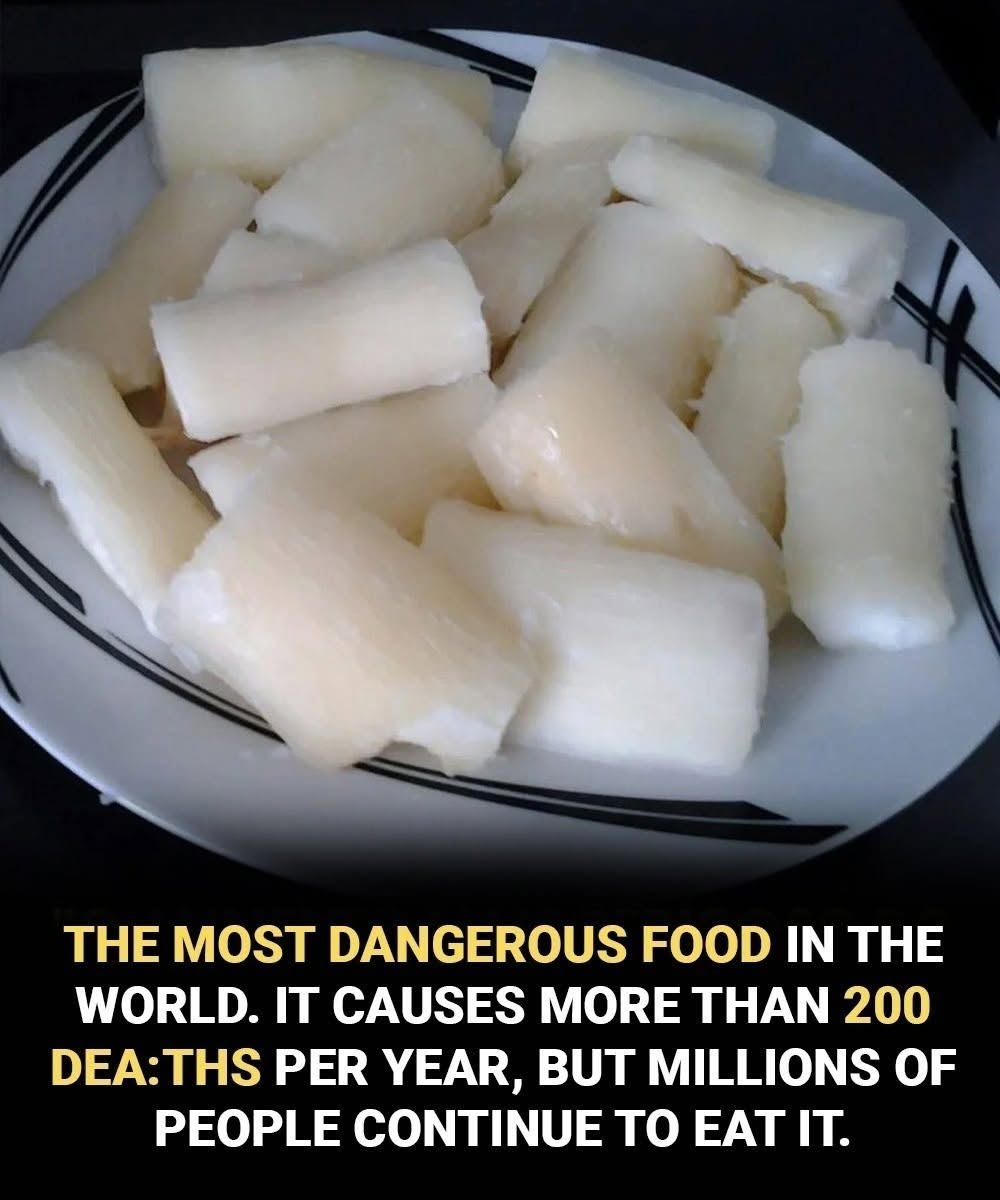
You’ve probably enjoyed cassava without even realizing it:
- As tapioca pearls in your bubble tea
- As gluten-free flour in bread or pancakes
- As boiled or fried root in Caribbean, African, or Latin American dishes
Cassava (Manihot esculenta) is a staple food for over 800 million people worldwide—prized for its drought resistance, high calories, and versatility.
But hidden within this humble root is a potent natural toxin that, if not properly neutralized, can cause acute cyanide poisoning, nerve damage, or even paralysis.
The good news?
With the right preparation, cassava is safe, nutritious, and life-sustaining.
In this essential guide, you’ll learn:
 Why cassava contains cyanide—and which types are riskiest
The 3 traditional methods that make it safe to eat
Red flags of improper preparation
Who’s most at risk—and how to protect your family
Because knowledge turns a potential poison into a powerful source of nourishment.
 Why Cassava Matters—And Why It’s Risky
Cassava comes in two main types:
- Sweet cassava: Lower in toxins, safer for home use
- Bitter cassava: High in cyanogenic glycosides (like linamarin)—must be processed before eating
When cassava is chewed, cut, or crushed, enzymes in the root convert these compounds into hydrogen cyanide (HCN)—a fast-acting poison that blocks cellular oxygen use.
Historical note: In times of famine or drought, improper cassava consumption has triggered outbreaks of konzo, a paralytic neurological disease, primarily in parts of Africa.
How Traditional Cultures Safely Prepare Cassava (Science-Backed Methods)
For centuries, communities have used time-tested techniques to detoxify cassava. These methods work by breaking down cyanide compounds and allowing them to evaporate:
1. Peeling + Thorough Cooking (For sweet cassava only)
- Peel thickly (toxins concentrate near the skin)
- Soak in water for 1–2 hours
- Boil vigorously for at least 20–30 minutes in open pot (allows cyanide gas to escape)
- Discard cooking water—never reuse
Never eat raw or undercooked cassava—even “sweet” varieties contain some cyanide.
2. Fermentation + Drying (For bitter cassava)
Used in West Africa to make gari or fufu:
- Grate roots
- Ferment in sacks for 2–7 days (microbes break down toxins)
- Press to remove liquid (which contains cyanide)
- Dry or roast to finish
This process reduces cyanide by over 90%.
3. Soaking + Sun-Drying
Common in South America and Southeast Asia:
- Soak peeled roots in water for 3–5 days
- Change water daily
- Sun-dry until hard, then grind into flour
Sunlight and airflow are critical—they help volatilize cyanide gas.
 Red Flags: When Cassava Isn’t Safe
For Complete Cooking STEPS Please Head On Over To Next Page Or Open button (>)
ADVERTISEMENT
ADVERTISEMENT