Easy and Practical Ways Seniors Can Use Rosemary
 In the Kitchen
Rosemary enhances flavor while adding wellness benefits:
- Sprinkle on roasted vegetables or potatoes
- Add to soups, stews, or lentils
- Use with chicken, fish, or olive oil
Its bold aroma allows small amounts to go a long way.
 As Herbal Tea
A soothing rosemary tea can be made by steeping fresh or dried leaves in hot water for 5–10 minutes. The result is aromatic, warming, and comforting.
 Aromatic Use
Fresh rosemary sprigs placed near a workspace or gently inhaled may promote alertness and calm focus.
 Traditional Topical Use
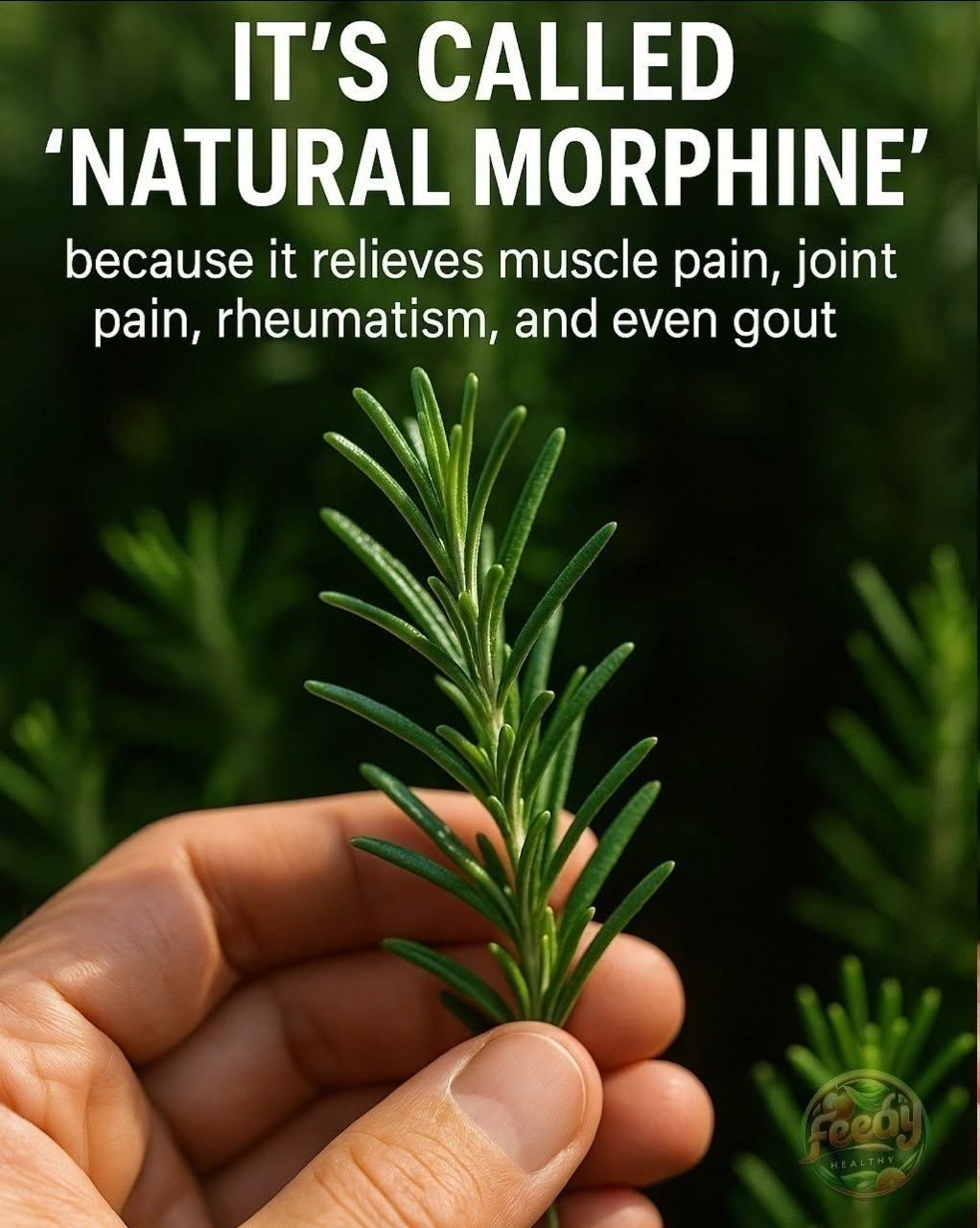
Rosemary infused in oil has been used for light massage, particularly on joints or tired muscles, offering warmth and relaxation.
Safety and Gentle Use
Rosemary is generally safe when used in cooking and mild herbal preparations. As with any herb:
- Moderation is key
- Concentrated extracts or essential oils should be used cautiously
- Seniors with medical conditions should keep usage gentle and consistent
Natural does not mean excessive—small, regular amounts are ideal.
Cultural and Emotional Value
Beyond physical benefits, rosemary often carries emotional significance. Its aroma can evoke memories of home-cooked meals, gardens, and cherished traditions. For many seniors, this emotional connection adds a sense of comfort, nostalgia, and grounding to daily life.
In this way, rosemary nourishes both body and spirit.
Conclusion: A Timeless Companion for Healthy Aging
Rosemary is a beautiful example of how nature supports us gently and consistently over time. For seniors, it offers cognitive support, joint comfort, digestive ease, and antioxidant protection—all wrapped in a fragrant, familiar herb that has stood the test of centuries.
For Complete Cooking STEPS Please Head On Over To Next Page Or Open button (>)